EMDR Therapy
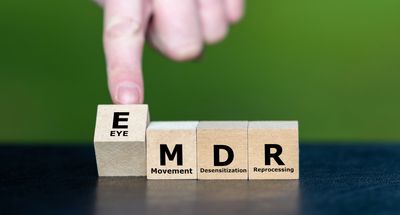
eye movement desensitisation and reprocessing
EMDR is a well-researched, evidence-based therapy developed by Francine Shapiro in the late 1980s. It was originally designed to support people living with post-traumatic stress, but its applications have grown considerably since then. EMDR can be helpful for processing distressing memories, challenging long-held negative beliefs about yourself, anxiety, phobias, complicated grief, and much more. It works by using bilateral stimulation (BLS), a rhythmic, alternating left-right input to the brain, to help you process experiences that have become "stuck."
You do not need a formal trauma diagnosis to benefit from EMDR. If there are experiences in your life that still feel raw, that surface unexpectedly, or that seem to shape how you see yourself and the world around you, EMDR may have something to offer.
How Does EMDR Work?
When something deeply distressing happens, the brain sometimes struggles to process it in the way it does with ordinary, everyday memories. Rather than being filed away neatly, the memory can remain raw and unintegrated, held in the body, in intrusive images, in the feelings that suddenly flood back as though the event is happening all over again.
During REM (Rapid Eye Movement) sleep, the brain naturally works to process and file our experiences. EMDR borrows from this process by using bilateral stimulation to encourage the brain's own healing capacity. BLS can take different forms: guided eye movements, gentle tapping, hand-held pulsators, or auditory tones through headphones. We will explore together which method feels most accessible and comfortable for you.
The process does not require you to speak in detail about what happened. The memory is remembered, but the aim is that the distressing emotional and physical charge attached to it is gradually reduced, until it becomes something you can recall without being overwhelmed by it.
EMDR as Part of a Pluralistic Approach
I do not use EMDR as a standalone protocol, delivered in a fixed, standardised way. Instead, it is one of a range of approaches I draw on within a pluralistic framework, guided by what you tell me is helpful, what feels right for you, and what your nervous system is ready for at any given point in our work together.
This means that EMDR may be woven into our work alongside somatic approaches, person-centred exploration, Internal Family Systems (IFS), narrative therapy, schema-informed thinking, or other modalities, depending on what emerges and what fits your needs. There is no single "right" way to do this work, and I will always collaborate with you rather than directing you through a rigid process.
EMDR and Neurodivergent Clients
Standard EMDR protocols were not designed with neurodivergent people in mind. For many autistic people, ADHDers, and those with other forms of neurological difference, the traditional approach can present real barriers, and it is important to name that rather than simply expect you to adapt to a model that was not built for you.
I adapt my EMDR practice to meet neurodivergent clients where they are. This might mean:
Taking more time in the preparation phase. The groundwork before any processing begins, including building safety, developing internal resources, and exploring your window of tolerance, is always important, but for many neurodivergent clients it takes longer, and that is entirely appropriate. There is no rush.
Offering multiple BLS options. Eye movements are not the only method, and they are not always the most comfortable or accessible. Tapping, pulsators, or auditory bilateral tones may suit you better. We will try things out and find what works for you.
Working at a slower pace. Many neurodivergent people experience heightened sensory sensitivity, interoceptive differences, or significant nervous system dysregulation. We will pace the work carefully and check in with you throughout, rather than pushing through.
Attending to the body without pressure. Somatic awareness is central to EMDR, but body-based work can be uncomfortable or confusing for some neurodivergent people, particularly those with alexithymia or interoceptive differences. We will work with this thoughtfully and without expectation.
Naming and exploring neurodivergent-specific experiences. Many of the negative beliefs that EMDR works with, such as "I am broken," "I do not belong," or "There is something wrong with me," have particular resonance for neurodivergent people who have spent years navigating a world not designed for them. I hold this context throughout our work.
For autistic clients in particular, it is worth knowing that dissociation, sensory overwhelm, and differences in emotional processing can all influence how EMDR unfolds. I take this seriously and will not use a one-size-fits-all approach.
What to Expect
Before we begin any EMDR processing, we will spend time together in what is called the preparation phase. This is not a box-ticking exercise; it is genuinely important work. We will:
- Explore your history and what has brought you to therapy
- Build your capacity to manage distress, including developing personalised resources and grounding techniques
- Talk through how EMDR works and what the experience might be like
- Make sure you have clear ways to signal that you need to stop or slow down at any point
You are always in control. You can pause, stop, or change direction at any time. This is your process.
During processing sessions, you will be asked to hold a target memory or image in mind while we use bilateral stimulation. You do not need to narrate everything that comes up; you can simply notice and let the brain do its work. I will check in with you regularly throughout.
After processing, we will always close the session carefully, making sure you feel grounded and settled before you leave. If a session ends before processing feels complete, I will support you in containing what has arisen safely.
A Note on Consent and Risks
EMDR is an active, evidence-based therapy and, like any therapeutic approach, it is not without challenge. As memories are processed, associated material may arise, and you may notice that processing continues between sessions, in dreams, in unexpected feelings, or in new awareness. This is a normal part of the work, and we will prepare for it together.
There are some circumstances in which EMDR may need to be adapted or delayed. For example, if you are in a period of significant life instability, if you have a dissociative condition, or if certain medical factors are relevant, we will discuss all of this as part of the assessment process. Nothing will happen without your informed consent.
EMDR is contraindicated for recent cocaine users and long-term amphetamine users. Some medications, including benzodiazepines, may affect how the processing unfolds, and this is something we can explore together with your prescriber's involvement where relevant.
Is EMDR Right for You?
EMDR is not the right fit for everyone, and that is entirely okay. Some people prefer to work primarily through talking and relational exploration. Some find body-based approaches uncomfortable. If EMDR does not feel right for you at any point, we simply do not do it, and we will find other ways to work together.
If you are curious about whether EMDR might be helpful for you, or if you have questions about how I adapt this work for neurodivergent clients, please feel free to get in touch. I am always happy to talk things through before we commit to anything.
EMDR therapy at Fife Counselling is offered online. I hold EMDR training and work within an ethical, trauma-informed, and neurodivergent-affirming framework.